After weeks of not-so-patient waiting, we decided to take advantage of the lovely early October weather and peek inside the beehives. Our girls have been busy! The population numbers look great: not only are there a lot of adult bees, but all hives had both freshly-laid and capped brood.
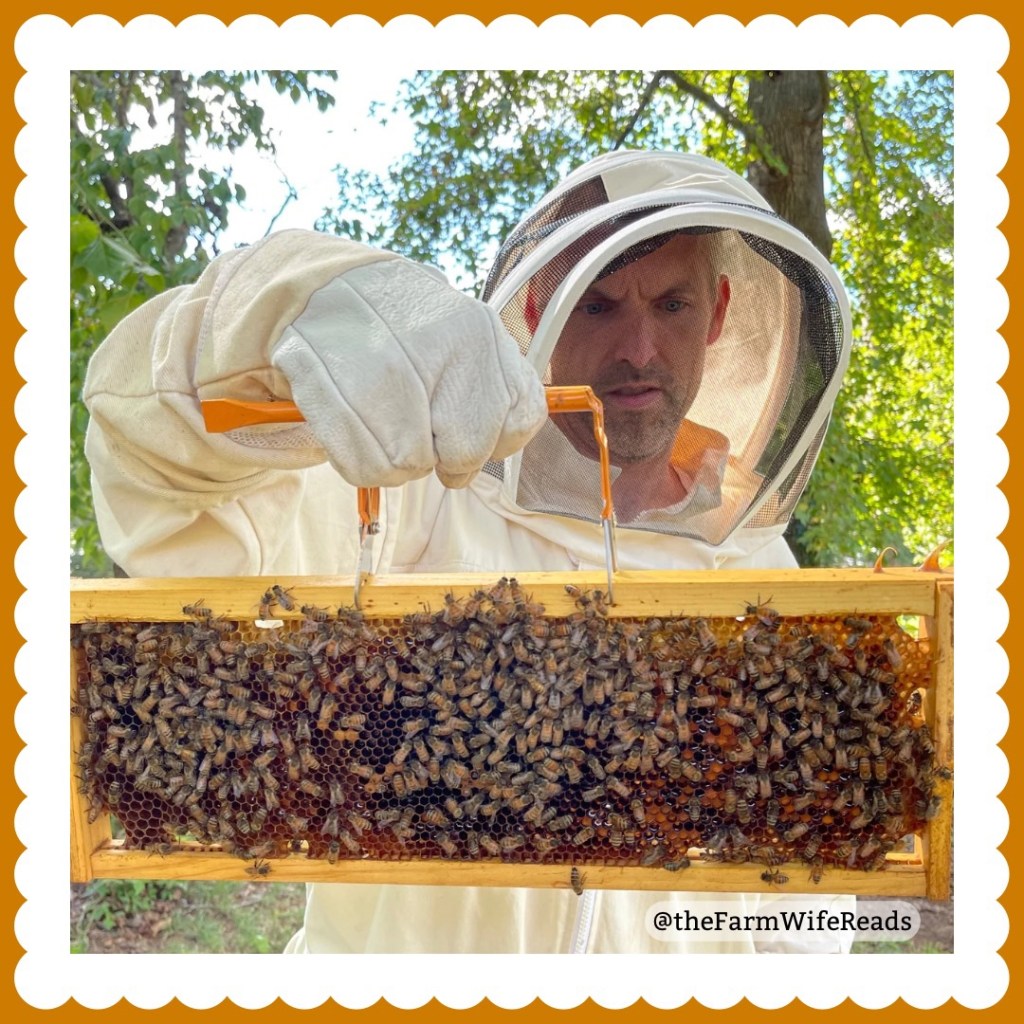
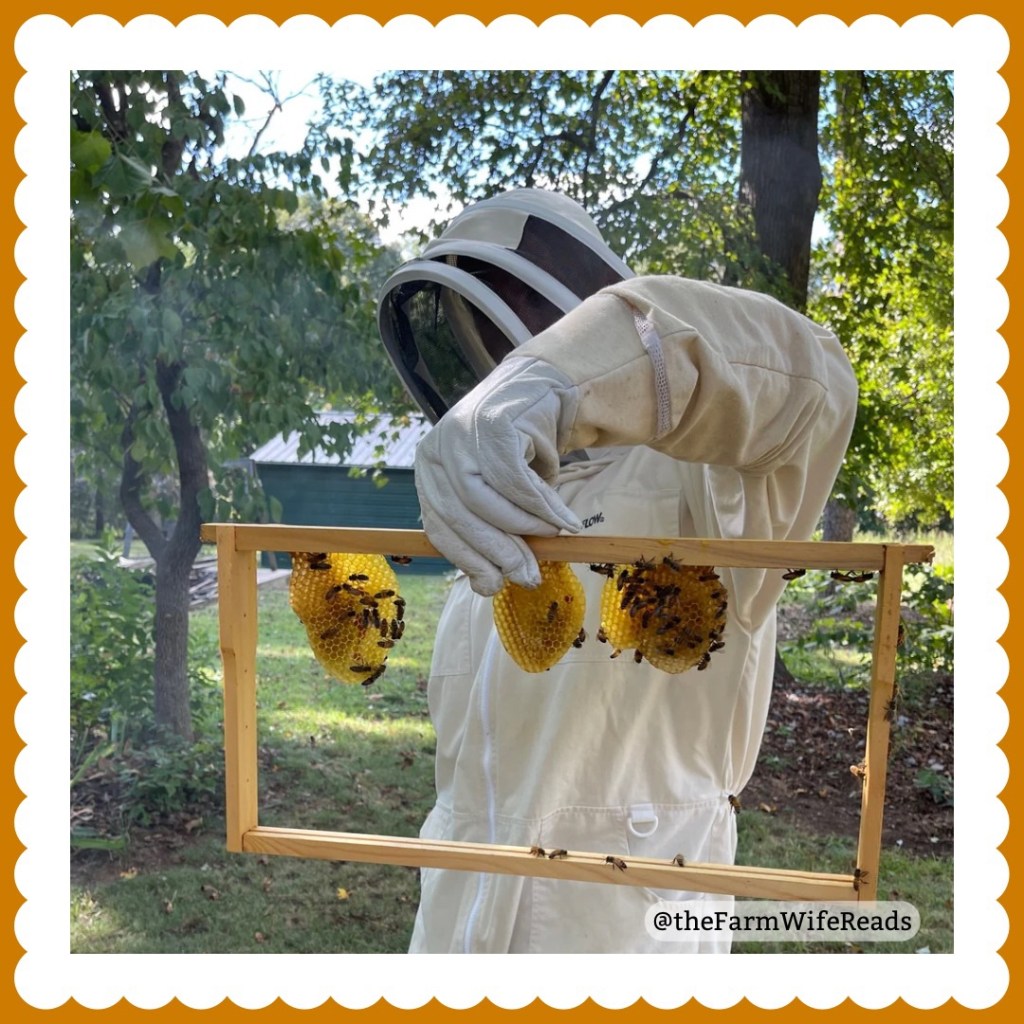
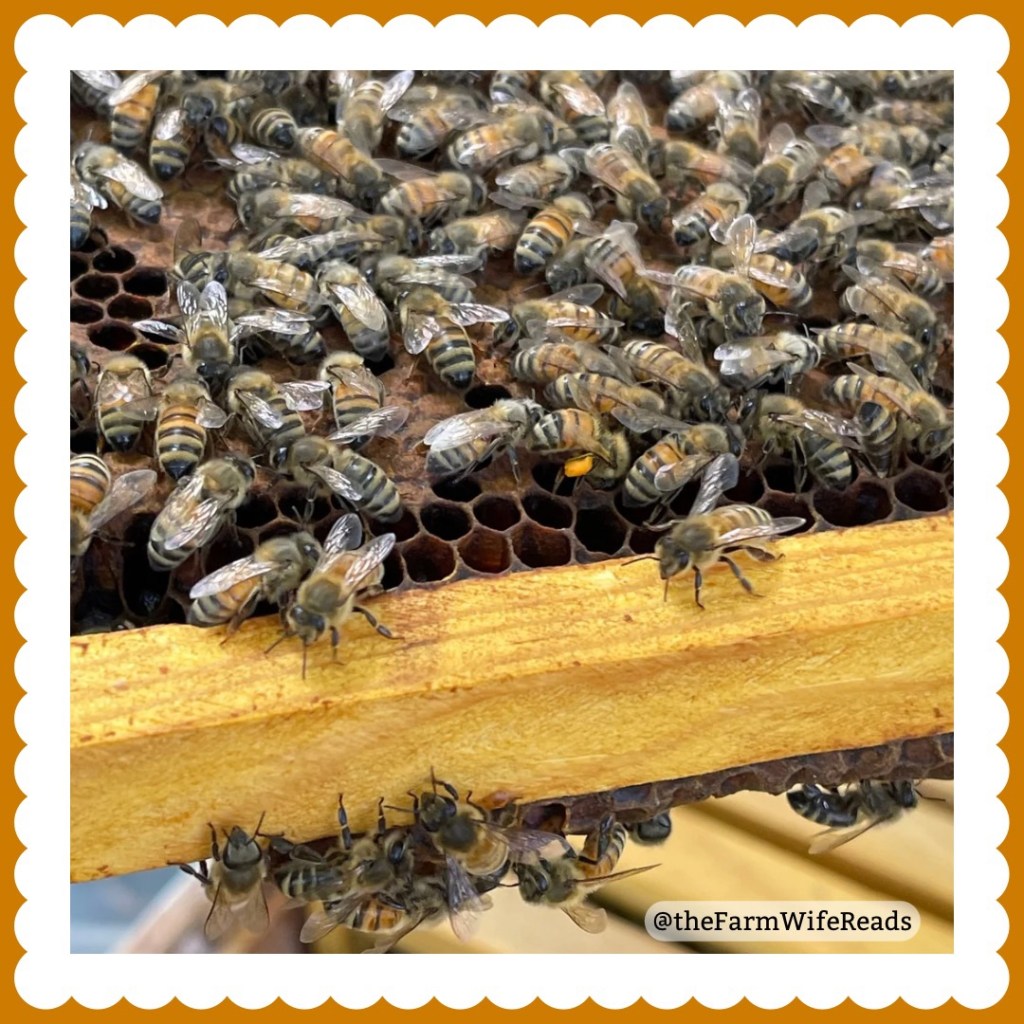
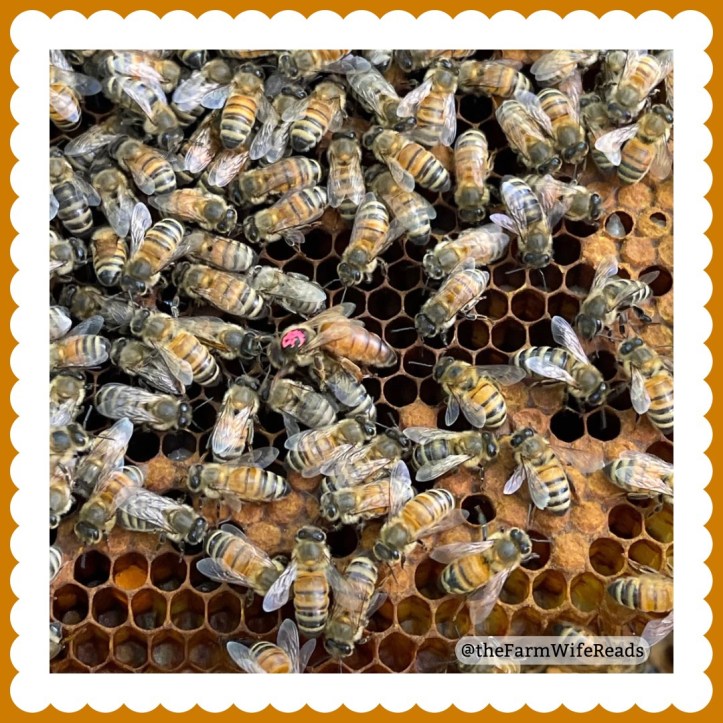
Notice the Barbie-pink dot on our queen? Turns out, there’s an International Queen Marking Color Code that lets you know the age of your queen. So our girl hatched this year {this is the queen in the nuc we purchased}. I also love that the dot makes it very easy to spot her – while we know the queens are active in our other hives, I’ve yet to be able to see any of them during hive-checks.
There’s not quite as much capped honey as we’d ideally like to see going into the lean winter months, but since they were pretty much starting from scratch {the retiring beekeeper harvested honey before he sold them to us}, we’re not surprised either. We will definitely need to keep feeding them through the winter. Hopefully next summer they’ll be able to build up enough stores that we won’t have to, but for now we’re doing all we can to keep them healthy and alive.
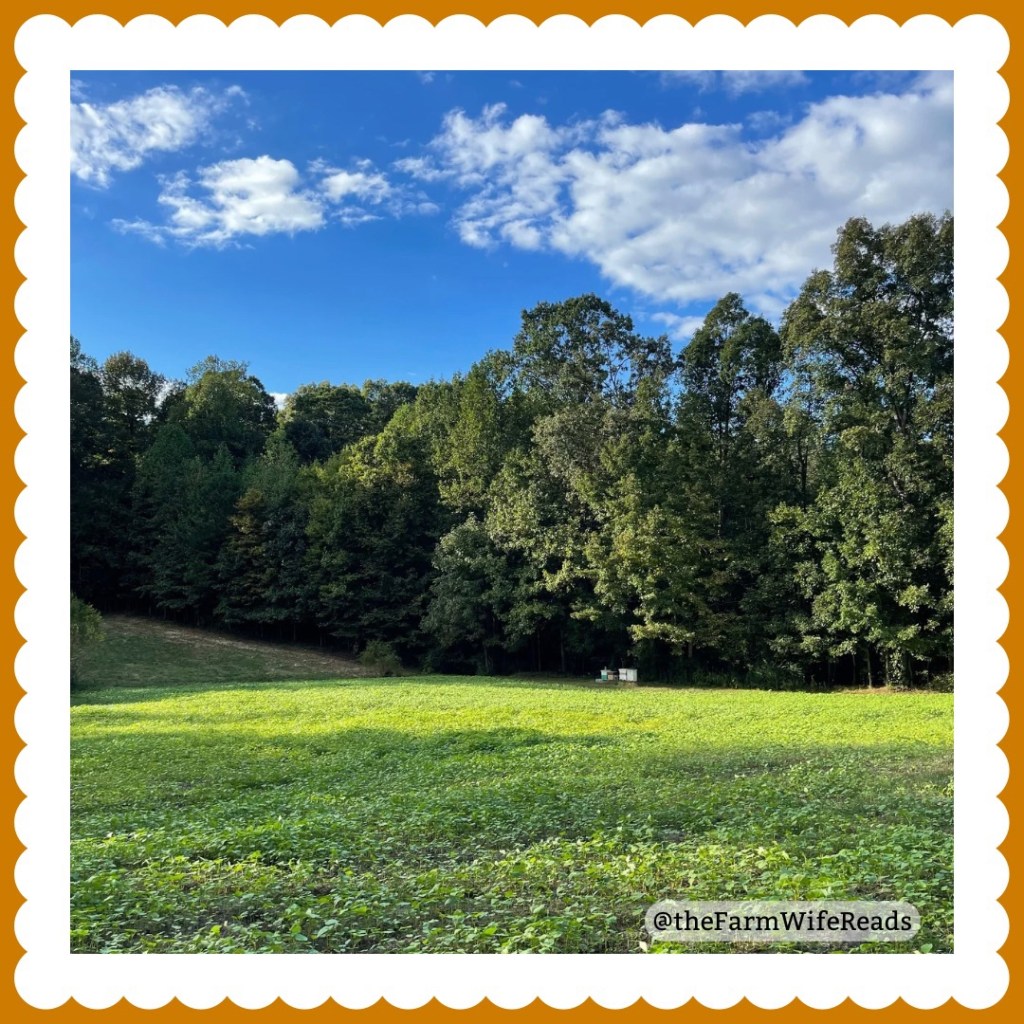
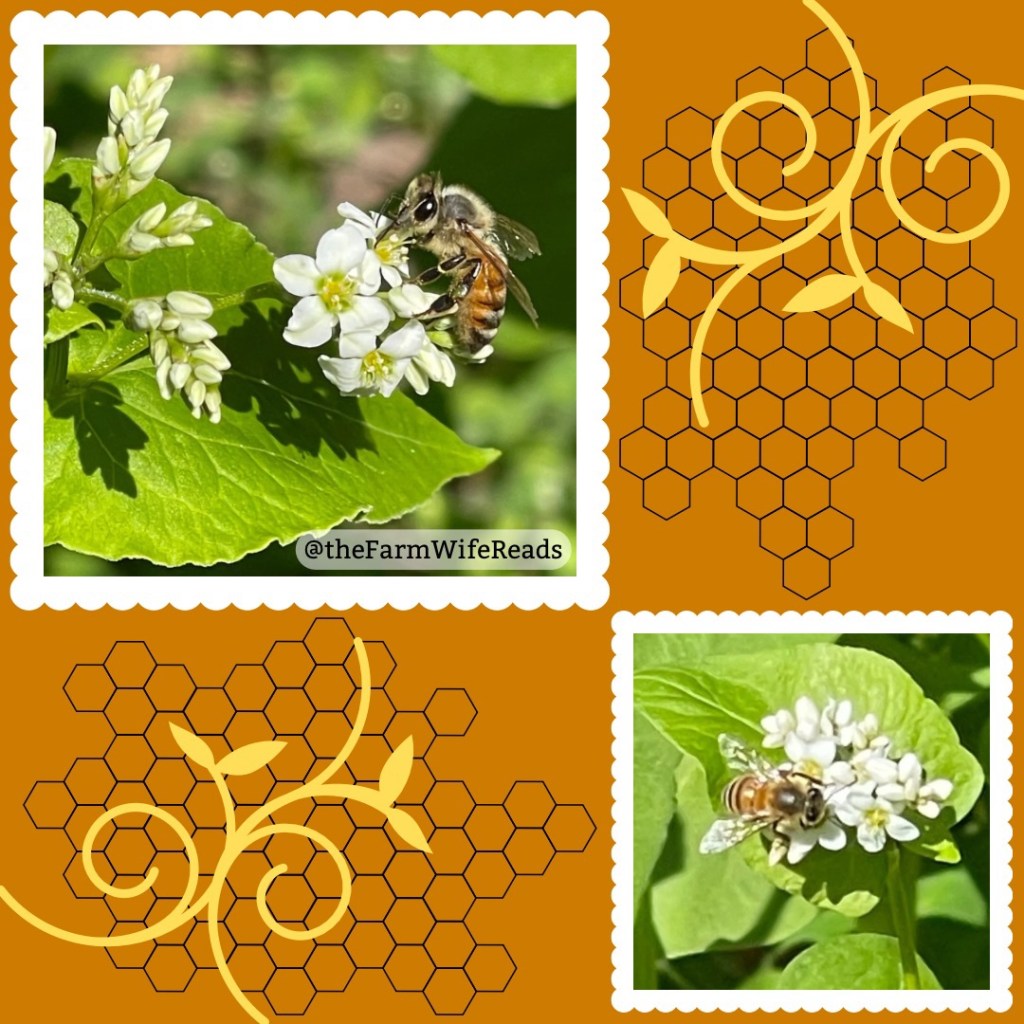
Part of that effort involves creating a bee-friendly location. With the assistance (and blessing) of Mr’s dad, the whole expanse in front of the beeyard has been sown in a mix of clover and buckwheat (with some wildflower seed mix for good measure). The buckwheat is such a fast grower, early blooms are already appearing and being visited by the bees. We’re hoping this late nectar source will give them a good boost going into wintering. And isn’t that green field gorgeous? I can’t wait to see it fully in-bloom.
And in a frustrating development, we did notice the presence of small hive beetles in all the hives. Not many, thankfully, but enough to prompt to us take action. After some research, we ordered these hive beetle traps, and went back into the hives to install them.
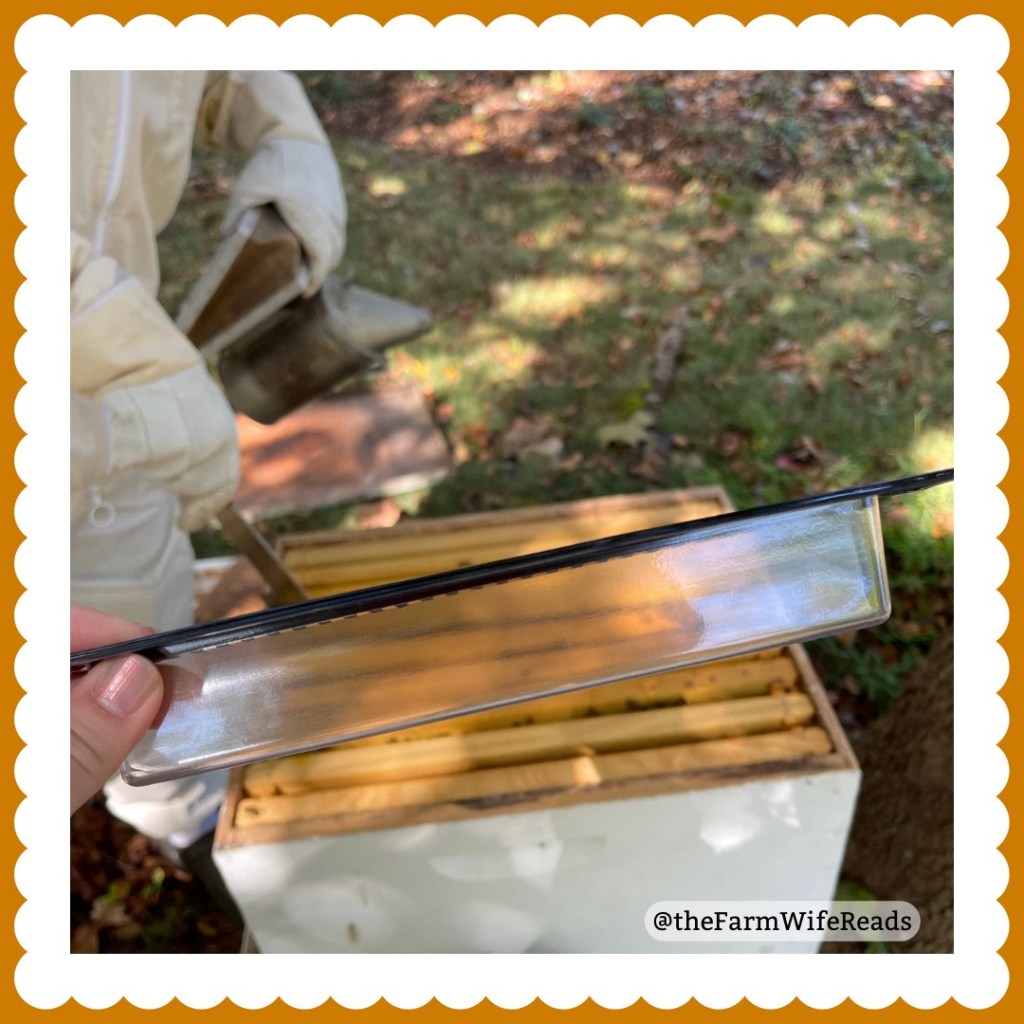
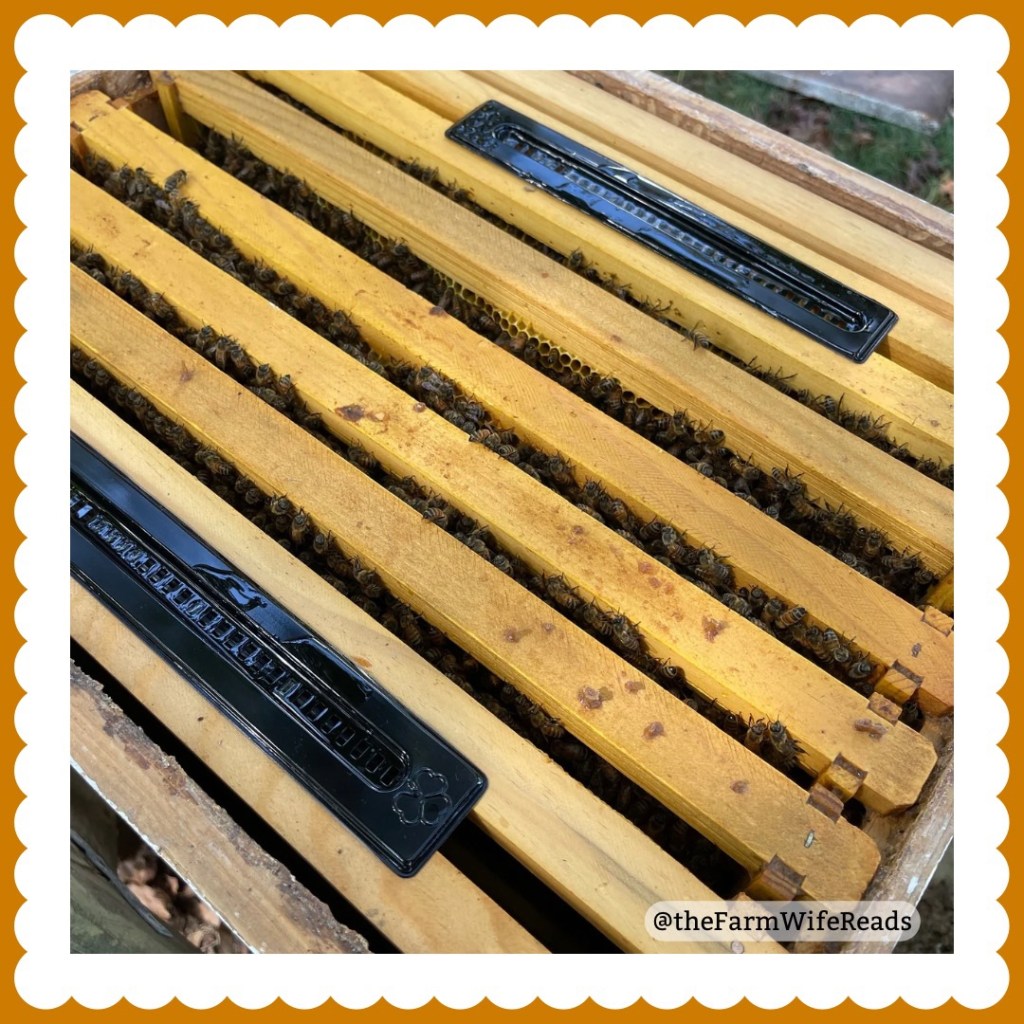
We’ll check again in a week or few and see if they’ve caught any beetles and how things are looking. Right now our bee populations are up enough that the beetles should not cause any real damage, but as winter comes that could definitely change – and nobody wants a box full of beetles.
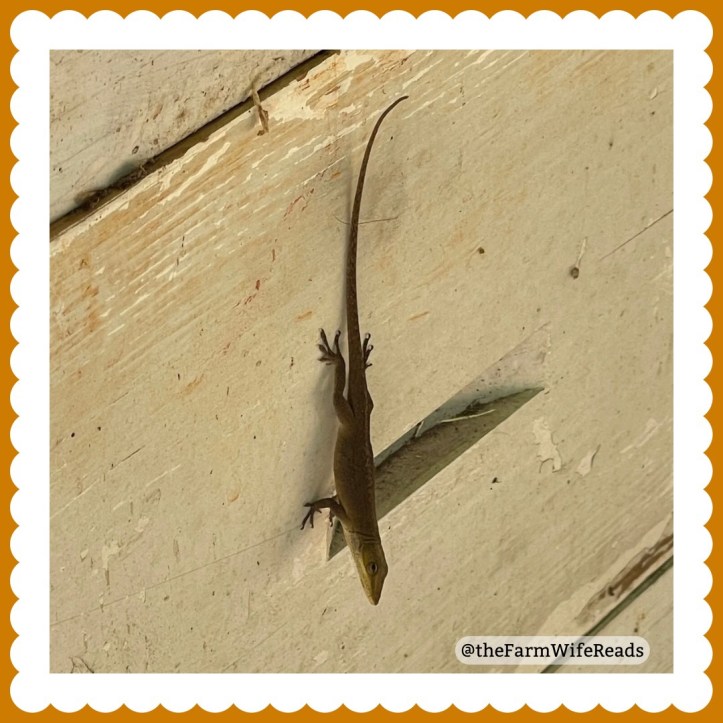
Several weeks ago, I first noticed these little guys, but it’s been impossible to get pictures until now. We have at least 3 green anoles who have made their home in the beeyard, and that’s awesome! Hopefully they’ll be busy eating ants and other creepy crawlies that would otherwise try to get into the hives and be a nuisance (or worse).
One sad piece of news: we lost a hive. We noticed one weekend that the bees were very active behind the hive, and discovered the bottom of the hive-box had popped loose. Unable to do anything that day, we made plans to move them into a new box the next weekend – but when we came to do so, the hive was empty. Our little girls didn’t like the draft and decided it was unfixable, so they swarmed and left. I like to think we could catch them back in the spring, but overwintering might be hard with such a late start.
All in all, it was a good hive-check. We’ll look in again in a few weeks to assess the beetle situation, and see how much progress they’re making with the buckwheat blooms. With it starting to get cooler, our window for opening the hives up is shrinking {nobody wants their house taken apart in the freezing cold!}, but we want to do all we can to make sure they are ready for that overwintering process. I already can’t wait to look inside again.

I love your bee updates ❤️
LikeLiked by 1 person
Fun! I love that you have beehives!
LikeLiked by 1 person
I do too! 😀 hehe … Mr had bees before (so did his grandfather), but these are my first, and I’ve fallen in love! ❤ They're so fascinating, and have definite personalities, haha
LikeLike
[…] After a quick blast of cold {the frost looked like snow, y’all} zapped the lingering flowers and officially ended pepper season, we had a weekend warm-up. The timing was perfect, since we wanted to open the hives to see if they’re winter-ready, as well as check out the hive beetle traps. […]
LikeLike