As we’ve been monitoring our captured swarms, I’ve had the opportunity to get a really good glimpse at the inner workings of life in the hive. So today’s bee post is a little different from others: instead of reporting on our projects and/or experiment results {there will definitely be update posts to come!}, we’ll be looking at bee life itself. I for one am mesmerized by the way the hive functions, and I hope you’ll enjoy these pictures + explanations as well – and hopefully learn something!
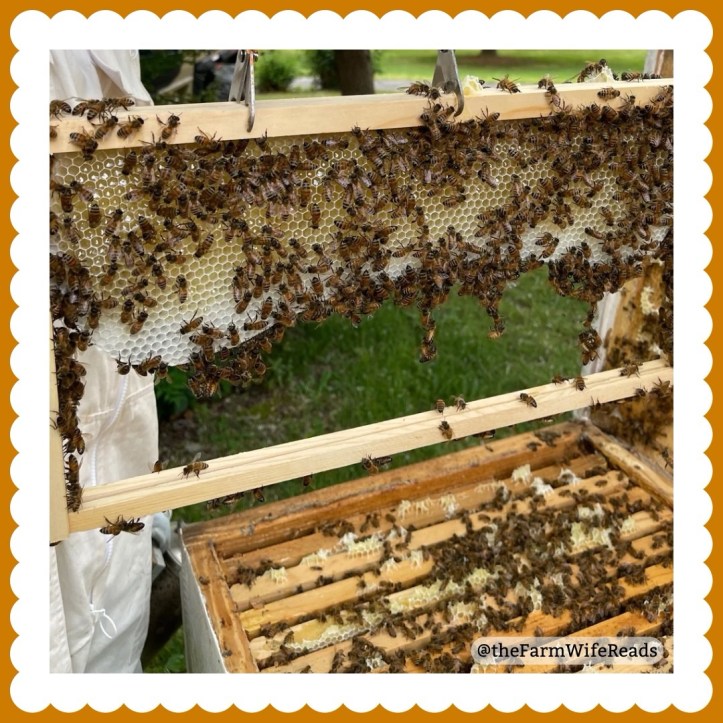
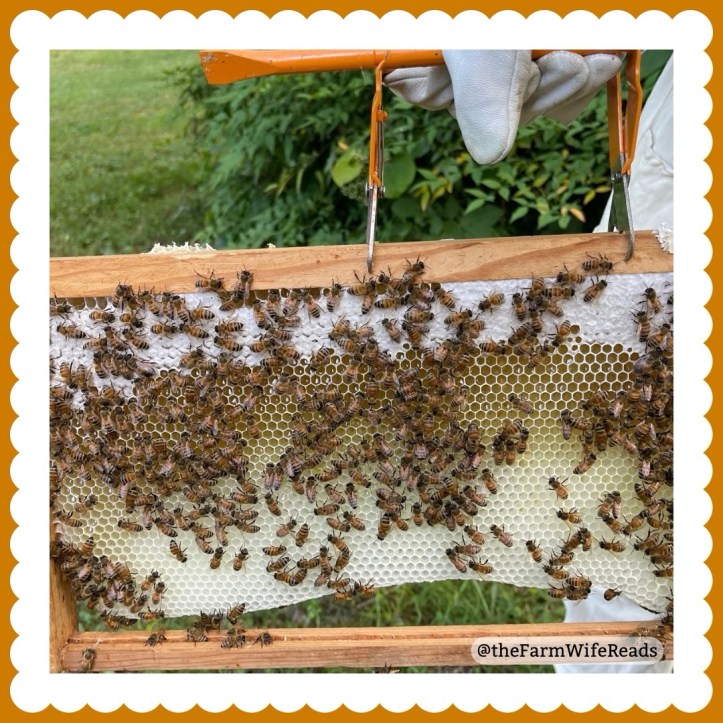
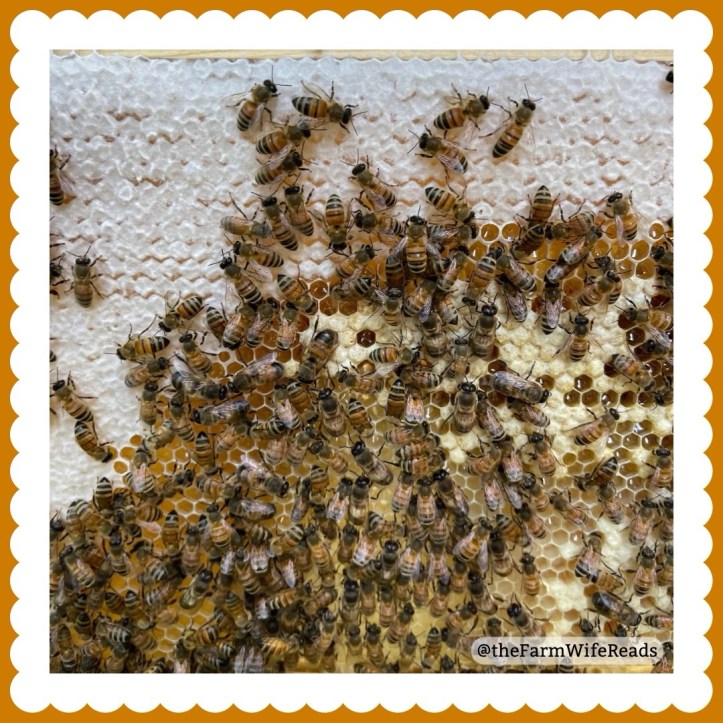
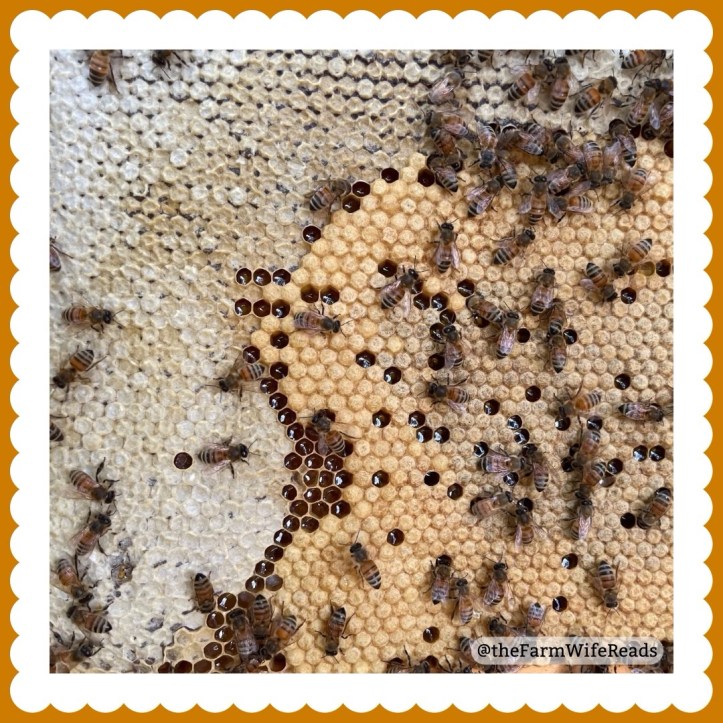
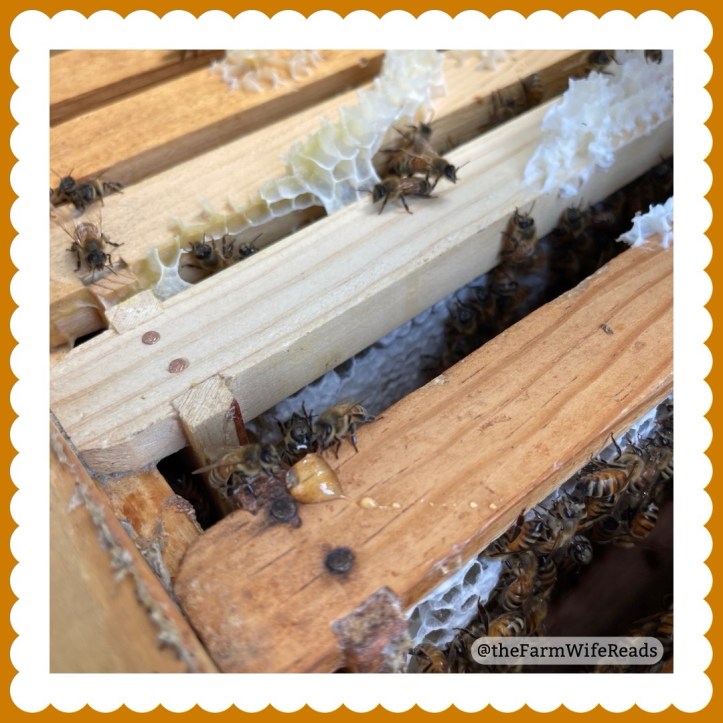
The bees are festooning, creating wax to fill this frame. The lighter the wax, the newer it is. At the top of the frame, you can see they’re already filling the comb with nectar.
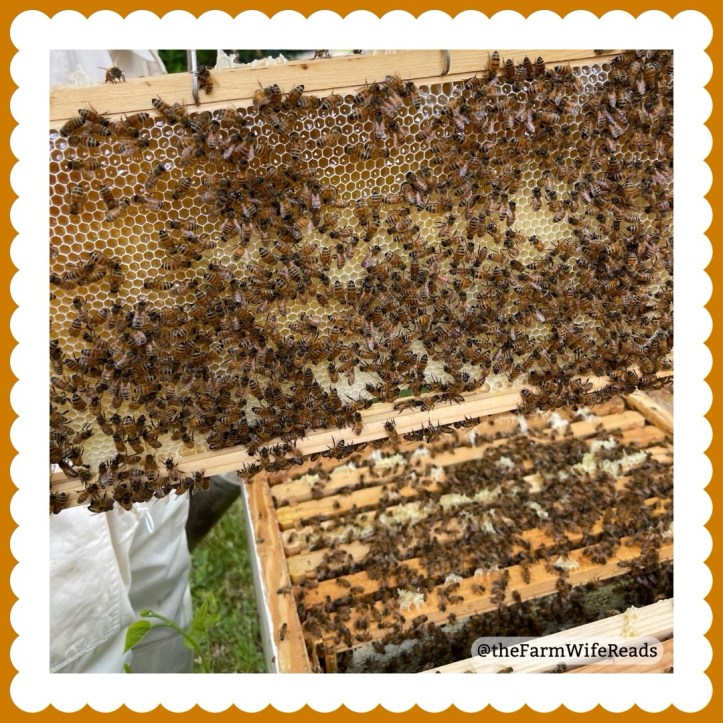
This frame they’ve nearly filled in, and the nectar is getting darker as its moisture content diminishes. It’s almost ready to be capped and called honey.
Once the moisture content of nectar reaches the correct level (generally less than 20%), it is considered honey, and the bees cap the comb for storage.
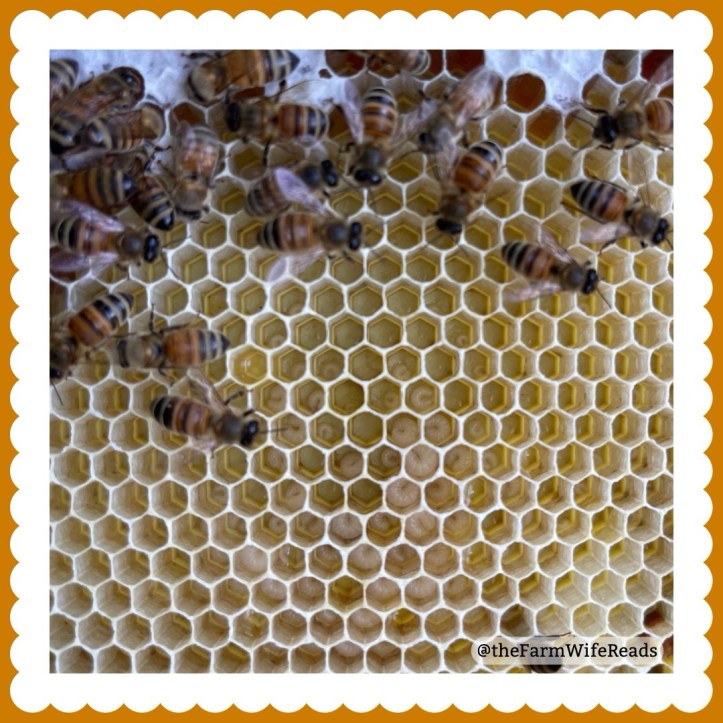
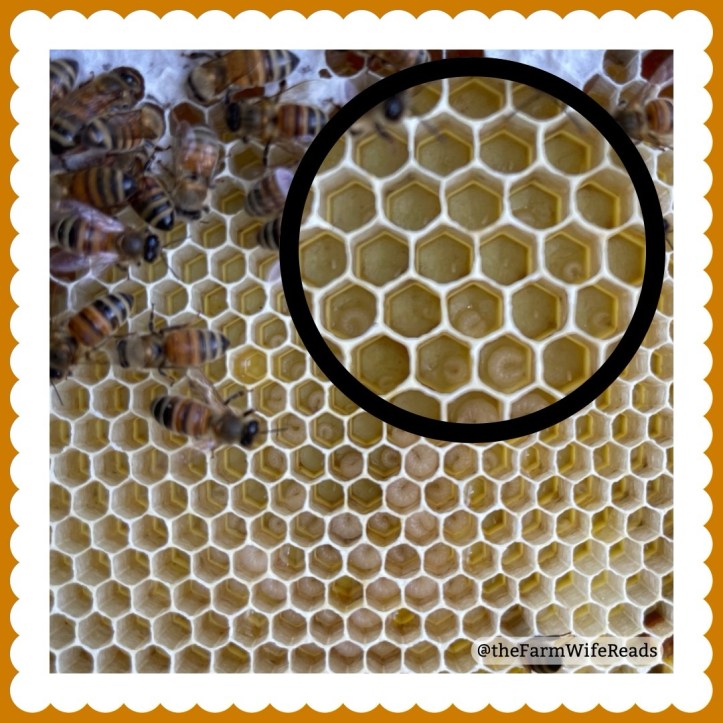
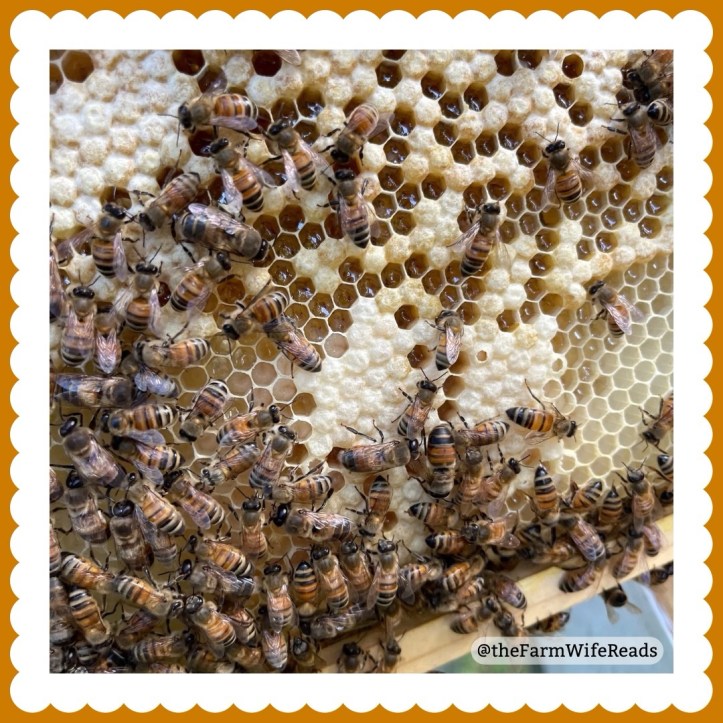
This was the most amazing discovery – seeing fresh eggs, alongside developing larvae.
Do you see those tiny white specks? They’re the eggs, and they will grow into larvae that fill the cells.
Here you can see the contrast between newer and older wax. This is part of the brood nest, and the shinier cells are where the nurse bees have fed the larvae.
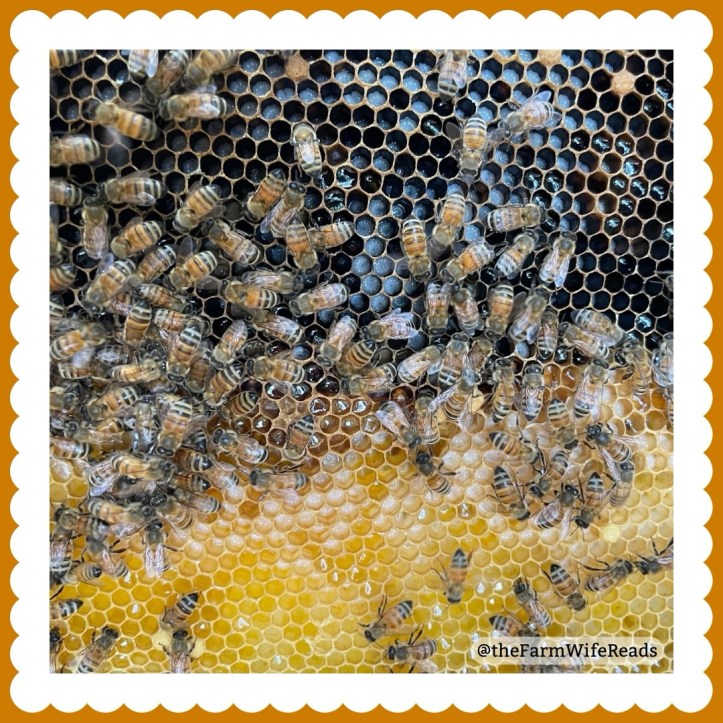
Most brood frames will have an arc of honey along the top, so nurse bees can easily feed larvae and baby bees.
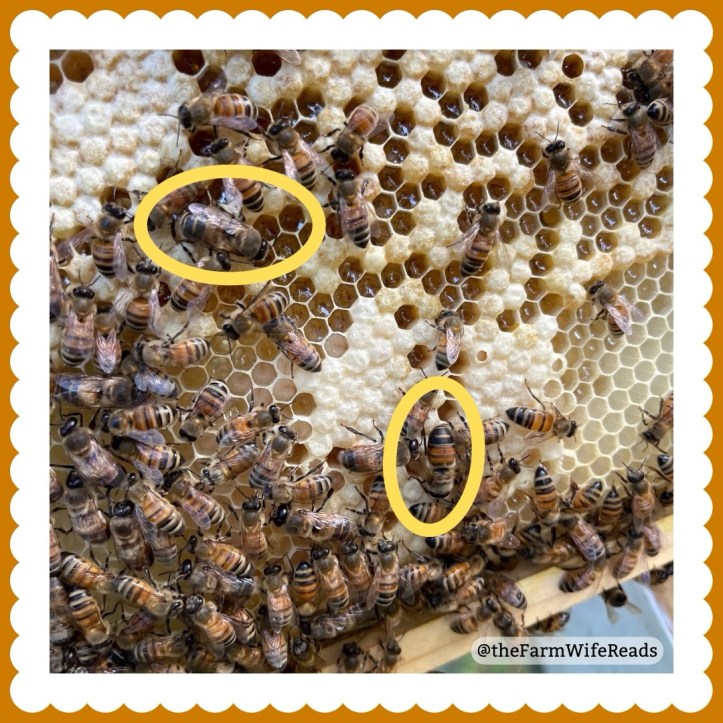
Once larvae have grown to a particular point, they cells are capped for the rest of their development. Do you see the drones in this shot?
Drones, circled here, live a life of leisure: They literally just hang out every day, waiting for their chance to mate with a queen. (Once they mate, they die).
A textbook brood frame: capped honey along the top, and capped brood waiting to hatch. See how the color and texture of the cappings look different? That’s how you can tell at a glance what is in a frame.
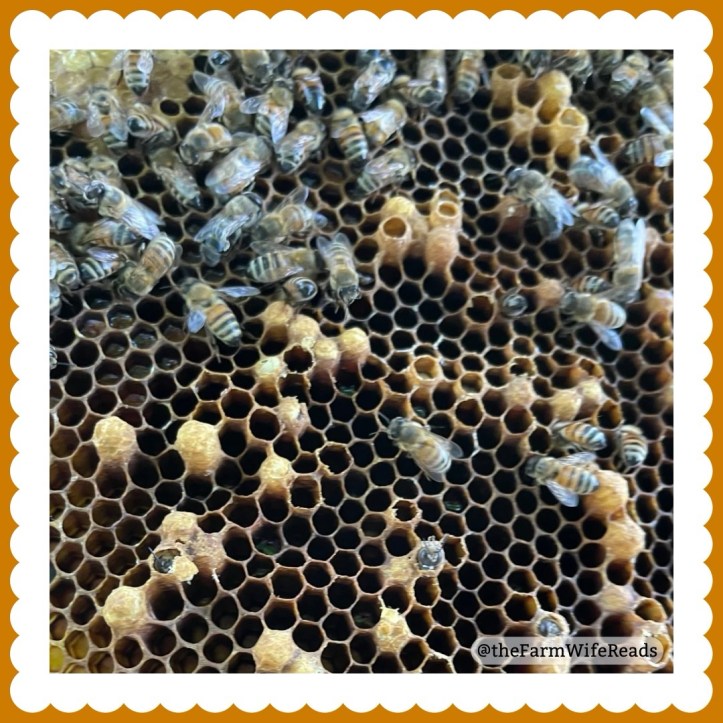
Brood cells hatching! Bees chew their way out of their capped cells, except for drones. Nurse bees have to chew the drones out/help them to hatch.
Can’t let any nectar go to waste! A drop spilt from some burr comb (the comb built in spaces outside of the frames), and these girls slurped it right up.
I hope you’ve enjoyed this peek inside the beehive. I love seeing how much things have changed, every time we are able to open the hives. Those little eggs and larvae will be hatching soon, and there will be so many more bees working and doing bee things!
What else would you like to see and/or learn about the bees?
[…] are doing! And find out how much of a honey mess the others have made, ha. Plus we just really like looking inside the hives, because bees are so […]

Now I want Bees! 😊 They are soooooooo busy busy busy! ♥️
LikeLiked by 1 person
[…] are doing! And find out how much of a honey mess the others have made, ha. Plus we just really like looking inside the hives, because bees are so […]
LikeLike
What a fascinating journey! Now I am all caught up and look forward to seeing what’s next with your “girls” 🙂
LikeLiked by 1 person
Hopefully we’ll have an update soon! 🤞🐝
LikeLike